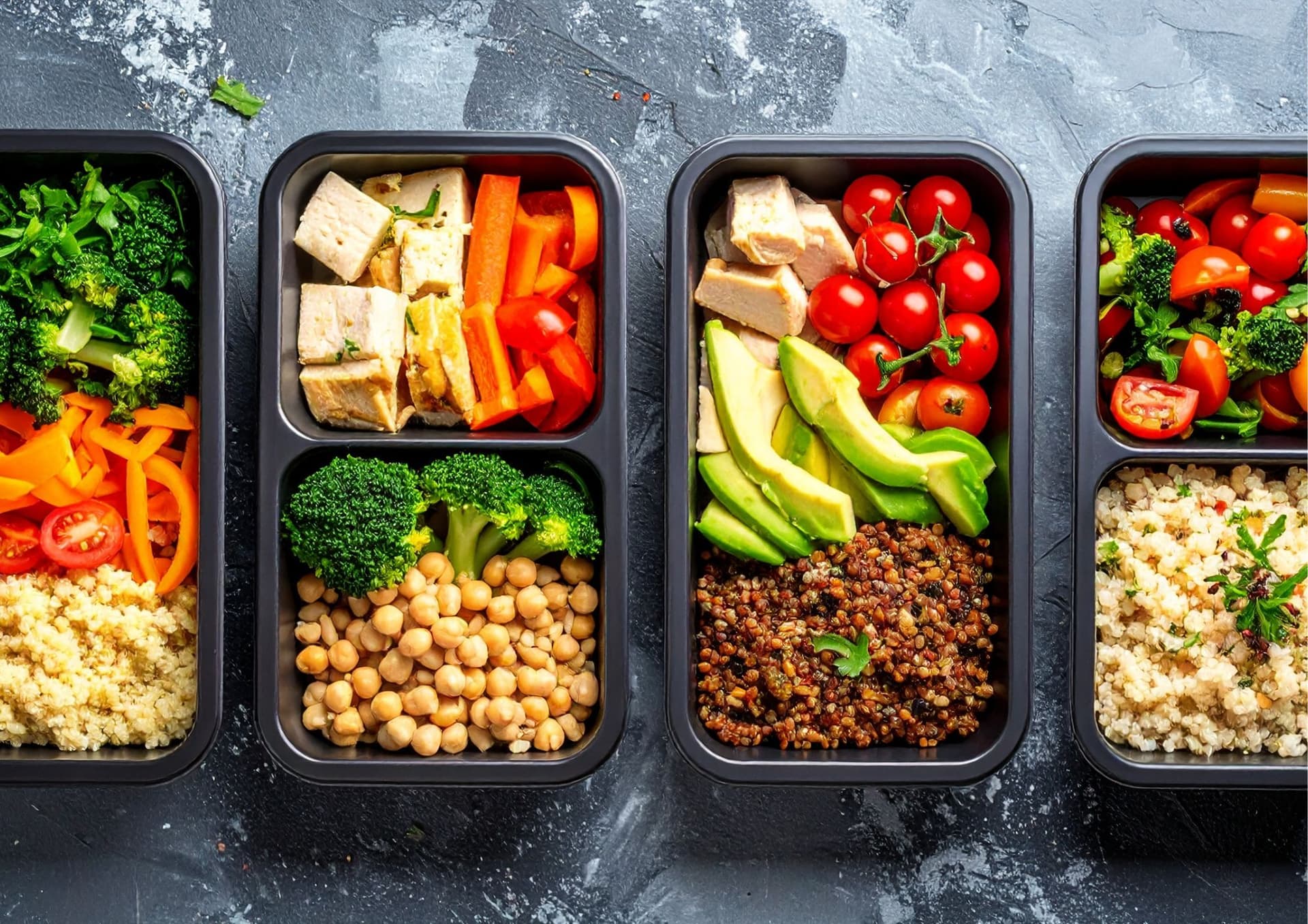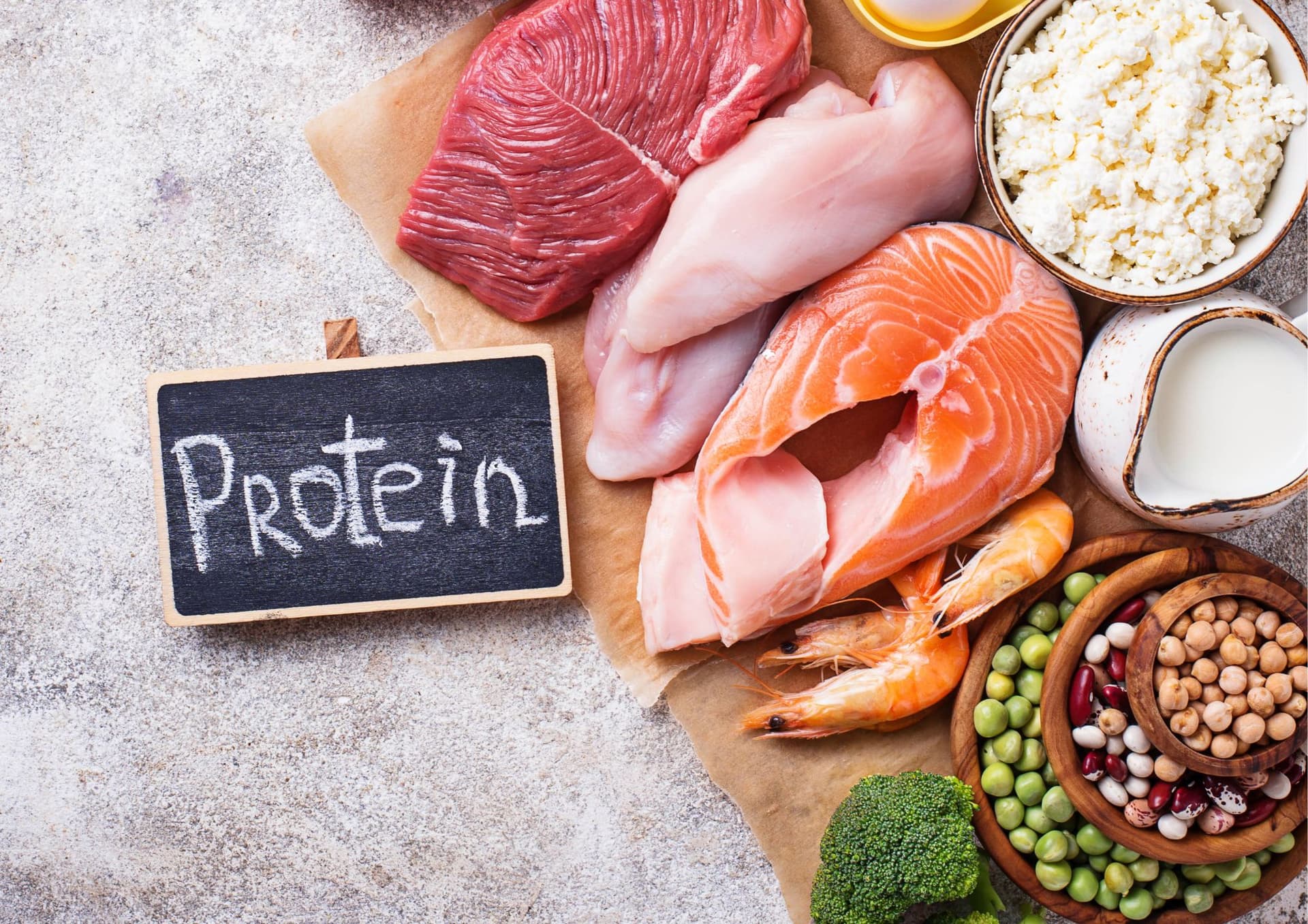
If you learned "0.8 grams per kilogram" as the protein rule of thumb, that number is now out of date. In January 2026, the U.S. Department of Health and Human Services (HHS) and Department of Agriculture (USDA) released updated Dietary Guidelines for Americans that raised the recommended protein intake for the first time in decades and the new range is notably higher than what most of us grew up hearing.
Here's what actually changed, how much protein you personally need, and the truth behind the most common protein myths still floating around.
Quick Answer
The old RDA of 0.8 g/kg of body weight was always a minimum to prevent deficiency, not an optimal target the new 2025-2030 Dietary Guidelines for Americans recommend 1.2 to 1.6 g/kg/day instead.
For a 150-lb (68 kg) person, that's roughly 82-109 grams of protein a day, versus about 55 grams under the old guidance.
People doing regular resistance training, older adults, and pregnant or breastfeeding women generally need more than the general baseline.
Two big myths that high protein "damages your kidneys" and that your body "can only absorb 30g per meal" aren't supported by the research.
The Guidelines Just Changed: What's New
Every five years, HHS and USDA jointly update the Dietary Guidelines for Americans, which shape everything from school lunch menus to nutrition-program eligibility. The 2025-2030 edition, released in January 2026, raised the recommended protein intake from 0.8 g/kg/day to a range of 1.2-1.6 g/kg/day, alongside a broader shift toward whole, minimally processed foods.
The reasoning: 0.8 g/kg was calculated from decades-old nitrogen-balance studies and represented the minimum amount needed to avoid deficiency not the amount associated with the best outcomes for muscle maintenance, satiety, or healthy aging. Newer research, including work on older adults and people doing resistance training, has repeatedly found benefits at higher intakes.
Worth knowing: this update isn't free of debate. A July 2026 perspective piece in The Journal of Nutrition argued that the evidence, while solid for specific groups like older adults or people trying to manage their weight, may not be strong enough to justify one universal target for every adult regardless of age or activity level. In practice, the new range is a reasonable general starting point but "how much protein should I eat" still has a more personal answer depending on your age, activity level, and goals, which is exactly what the next section covers.
How Much Protein Do You Actually Need?
Protein needs scale with body weight, not calorie intake. Here's a rough breakdown by situation:
Generally healthy, sedentary-to-moderately-active adult: 1.2-1.6 g/kg/day (the new general guideline)
Regularly doing resistance training: around 1.6 g/kg/day to support muscle gains, with some research supporting up to 2.0 g/kg/day
Older adults (65+): research suggests benefits from intakes at the higher end of the range or above, since aging bodies become somewhat less efficient at converting protein into muscle (sometimes called "anabolic resistance")
Pregnant or breastfeeding: higher than the general adult baseline worth discussing your specific number with a dietitian or OB, since needs shift by trimester
Worked example: a 70 kg (154 lb) generally healthy adult would land around 84-112 grams of protein a day under the new guidelines. Someone doing regular strength training at the same weight might target closer to 112-140 grams.
For context, most American adults are already eating somewhere in the 65-100 gram range daily so for many people, this update means "keep doing roughly what you're doing" rather than a dramatic overhaul.
Common Protein Myths, Debunked
Myth: A high-protein diet damages your kidneys. This idea dates back to research from the 1980s but that research was about people who already had kidney disease, not healthy people. Multiple reviews, including a McMaster University meta-analysis of dozens of studies, found no link between higher protein intake and kidney function decline in healthy adults with normal blood pressure and blood sugar. The one real exception: if you already have diagnosed kidney disease, protein does need to be managed carefully which is exactly why renal dietitians exist as a specialty.
Myth: Your body can only absorb 30 grams of protein per meal. Also false. Your digestive system doesn't have an on/off switch at 30 grams you absorb the vast majority of whatever protein you eat, regardless of meal size. The real nuance is about muscle protein synthesis: eating around 20-40 grams per meal tends to be an efficient way to stimulate muscle building (with older adults often needing the higher end of that range), but any protein above that isn't wasted it just gets used for other things, like energy.
Practical Protein Food Sources
A quick reference for building meals toward your target:
FoodApprox. ProteinChicken breast, cooked (3 oz)~26 gGreek yogurt (typical serving)~16-17 gCanned tuna (3 oz)~20 gCooked lentils (1 cup)~18 gChickpeas (1 cup)~14 gLarge egg~6 gMilk or soy milk (1 cup)~8 gTofu (varies by firmness, 4 oz)~10-20 g
Mixing a couple of these into each meal gets most people to their target without needing to track every gram.
Frequently Asked Questions
How much protein do I need to build muscle? Most research points to somewhere around 1.6-2.0 g/kg of body weight per day for people doing regular resistance training, spread across meals.
Is too much protein bad for you? For healthy adults with normal kidney function, there's no strong evidence that higher protein intake (even well above the new guideline) causes harm. The main practical downside is that protein-heavy diets can crowd out other food groups, like fruits, vegetables, and whole grains, if you're not paying attention to overall balance.
Can I get enough protein on a plant-based diet? Yes. Foods like lentils, tofu, tempeh, beans, and soy milk can fully cover protein needs it just takes a bit more variety across the day, since most individual plant foods (aside from soy and a few others) don't contain all nine essential amino acids in the same proportions that animal foods do.
Do I need a protein powder or supplement? Not necessarily. Whole foods can cover most people's targets. Powder is simply a convenient way to hit a higher number, which is why it's popular with athletes, people with reduced appetite, or anyone finding it hard to fit enough protein-rich food into their day.
Does eating more protein help with weight loss? Often, yes protein is more satiating than carbs or fat gram-for-gram, and higher-protein diets are associated with better appetite control and muscle preservation during weight loss.
The Bottom Line
The new 1.2-1.6 g/kg range is a reasonable general target for most healthy adults, but "how much protein you need" still depends on your age, activity level, and health status. If you're managing a medical condition or training seriously, it's worth getting a number tailored to you rather than relying on a general guideline alone.
Sources consulted: 2025-2030 Dietary Guidelines for Americans (HHS/USDA); The Journal of Nutrition; McMaster University research on protein and kidney function; American Heart Association; British Nutrition Foundation.